


Entdecken Sie zwei der Juwelen Gaudís. Gehen Sie im Park Güell spazieren und bewundern Sie die Natur und das Design, und bewundern Sie die reiche Architektur der Sagrada Família
Are you looking to delve into the vibrant history and unmatched architectural brilliance of Barcelona’s Casa Batlló?
Maybe you’re planning a trip there or just curious about this unique gem from Gaudi’s portfolio. Whichever it may be, I can tell you, as someone Casa Battló’s charm has bewitched on multiple occasions, that understanding its history can make your visit far more rewarding.
In this article, we’ll deeply dive into everything concerning Casa Batlló – from its fascinating creation story to what makes it so unique today.
You’ll learn about the genius behind its design and why it’s considered an iconic symbol of Catalonian modernism.
The Historical Significance of Casa Batlló

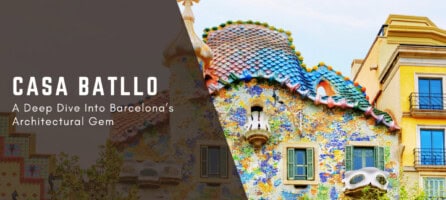
Casa Batlló, an architectural marvel in the heart of Barcelona, is steeped in history that’s as vivid and striking as its design. Constructed between 1904-1906 for textile tycoon Josep Batlló (daher der Name), wird diese UNESCO-Welterbestätte seit langem für ihren einzigartigen Stil bewundert.
Gaudi’s Approach
Gaudi verwandelte ein ursprünglich unscheinbares Gebäude in etwas Spektakuläres. Er setzte sich über konventionelle architektonische Normen (und einige Gesundheits- und Sicherheitsvorschriften) hinweg, um ein Bauwerk zu schaffen, das den natürlichen Formen nachempfunden ist.
The facade shimmers with colors inspired by coral reefs, while inside, you’ll find rooms shaped like seashells and staircases resembling animal spines.
Kulturelle Bedeutung
Beyond just looking cool, though, Casa Batlló also holds significant cultural value. Its unique design symbolizes Saint George slaying the dragon – with the roof portraying the beast’s back and tiles representing its scales.
Ultimately, Casa Batlló is a testament to Gaudí’s genius and highlights Barcelona’s rich historical fabric woven through time.
Understanding the Architectural Style of Casa Batlló
Der architektonische Stil von Casa Batlló can be best described as an explosion of creativity that challenges conventional design norms.
With its wavy walls and abstract shapes, this structure seems to defy gravity. The façade is covered with broken ceramic tiles that create an iridescent effect when sunlight hits – pretty cool, huh?
Gaudí’s inspiration for Casa Batlló design came from nature, and this is evident in every nook and corner. He cleverly used organic forms throughout the house, such as bone-like pillars on the outside facade and a mushroom-shaped fireplace.
- Gaudi’s use of light also plays a significant role in shaping Casa Batlló’s architectural style.
- Der zentrale Brunnen wurde mit helleren Farbtönen im oberen Bereich und dunkleren Farbtönen im unteren Bereich gestaltet, so dass jede Etage gleichmäßig beleuchtet wird und Ihre Selfies wie ein Hingucker aussehen.
- Er hat sogar an die Belüftung gedacht und dafür gesorgt, dass es zwischen den Räumen genügend Luftdurchlässe gibt.
Antoni Gaudí: a name that rings with vivid imagination and unparalleled creativity. Known for his distinct style, this Spanish architect was the genius behind the Casa Batlló masterpiece.
This building is as unique as a snowflake in an ocean – you won’t find anything quite like it anywhere else.
Antoni Gaudí: The Genius Behind Casa Batlló

Gaudí’s work on Casa Batlló began in 1904 when textile industrialist Josep Batlló commissioned him to renovate this dreary old house.
Instead of a straightforward home renovation, Gaudi created something out of fairytales – or perhaps even dreams. With its iridescent dragon-scale roof and bone-like balconies, Casa Batlló looks more like an enchanted castle than your typical Barcelona townhouse.
Here are some fascinating facts about Casa Batlló:
- The Façade: It shimmers with colors from ceramic tiles applied using the ‘trencadis’ technique (mosaic made from broken tile shards).
- Das Dach: Modeled after Sant Jordi’s (St George) dragon, which is Catalonia’s patron saint.
- Die Fenster: Varying sizes provide uniform lighting inside–a brilliant design trick by Gaudi!
Casa Batlló as a Symbol of Catalonian Modernism

Casa Batlló, a whimsical masterpiece in the heart of Barcelona, is more than just a building. It’s an emblem of Catalonian Modernism, sprinkling modern fairy dust on traditional Catalan architecture.
The interior of Casa Batlló continues to challenge conventional design norms. Every room inside seems as though it’s been kissed by Mother Nature herself. From mushroom-shaped fireplaces to window frames that resemble bird bones—it’s clear that Gaudí found inspiration from the world around him.
“Each room in Casa Batlló is more fantastical than the last, reflecting Gaudí’s boundless creativity and freedom.”
– Patricia Schultz, 2003
Aber was macht Casa Batlló stand out is its symbolism for Catalonian identity and culture. This iconic building represents Catalonia’s daring spirit and artistic flair – two traits very much alive today!
- The use of trencadís technique (broken tile mosaics), commonly seen throughout Catalan Modernist works.
- The roof designed to look like a dragon—a symbol deeply ingrained in Catalan mythology.
To visit Casa Batlló isn’t just about seeing an architectural marvel; it gives us insight into Catalonia’s past while also reflecting its vibrant present.
Touring Inside Casa Batlló: What to Expect
Diese UNESCO-Welterbestätte isn’t just about dizzying aesthetics, though. Gaudi’s genius lies in making sure every design element has a purpose.
For instance, those odd-looking chimneys on a rooftop? They’re designed for efficient smoke ventilation.Walking through its corridors feels like walking underwater because natural light filters down from skylights shaped like tortoise shells.
However, do remember Casa Batlló is different from your everyday house tour. With audio guides available in other languages, it’s easy for anyone – even if Spanish isn’t their native language – to immerse themselves fully into this journey.

4h 30min Gaudi-TourenPark GuellSagrada Familia
Von 94.00€ pro Person

Casa Amatller – Skip The Line & Audio-Guide
Casa Amatller, located on Barcelona’s renowned Passeig de Gràcia, is a quintessential example of Catalan Modernisme. Designed by architect Josep Puig i…
2 Stunden AttraktionenGaudi-Touren
Von 19.00€ pro Person

Casa Vicens
A unique visit to the first major building from Antoni Gaudí’s youth, open for the first time and designed when he was just 31
90 Minuten AttraktionenGaudi-Touren
Von 18.00€ pro Person

Casa Mila – La Pedrera Essential – Skip The Line & Audio Guide
Discover the architectural marvel of Casa Milà, affectionately known as La Pedrera, with our “Essential” tour. Designed by the visionary Antoni Gaudí…
1 Stunde Minimum AttraktionenGaudi-Touren
Von 28.00€ pro Person
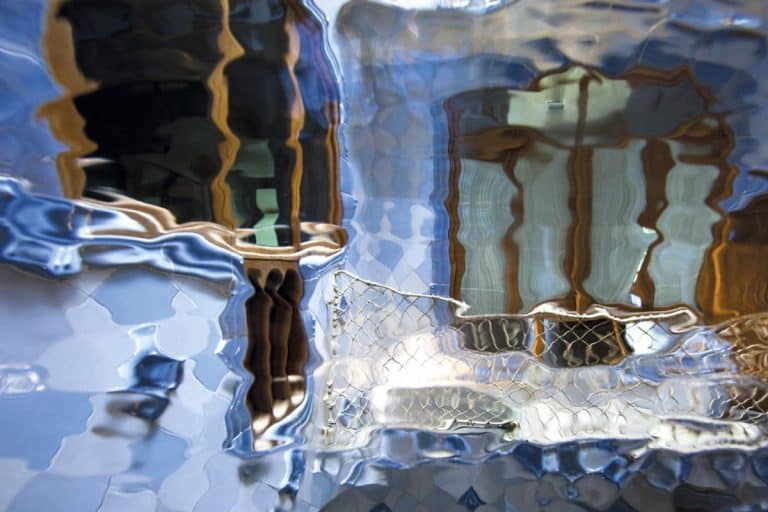
Casa Batlló
Die Casa Batlló, eines der architektonischen Meisterwerke von Antoni Gaudí, ist ein wahres Juwel des modernistischen Erbes von Barcelona. Erbaut im Jahr 1877 und umgestaltet von...
1 Stunde Minimum AttraktionenGaudi-Touren
Von 35.00€ pro Person

Palau Güell - Eintrittskarte
Besuchen Sie eines von Gaudis Meisterwerken in Barcelona, nur wenige Schritte von den Ramblas entfernt.
90 Minuten AttraktionenGaudi-Touren
Von 12.00€ pro Person

Sagrada Familia & Casa Batlló Geführte Tour
Bestaunen Sie zwei der wichtigsten Bauwerke von Antoni Gaudí an einem Tag
3h 45min AttraktionenStadtführungenGaudi-TourenSagrada Familia
Von 108.00€ pro Person

Mischen & Sparen: Barcelona Ganztag und Sagrada Familia
Entdecken Sie mit uns Barcelona und seine Geschichte. Genießen Sie einen Rundgang durch das Gotische Viertel und besuchen Sie zwei der wichtigsten Werke Gaudís!
10 Stunden StadtführungenGaudi-TourenSagrada Familia
Von 130.00€ pro Person

Schnellkurs La Pedrera - Geführte Tour
Entdecken Sie La Pedrera, das letzte Werk von Antoni Gaudí
1h 15min Gaudi-Touren
Von 48.00€ pro Person

Schnellkurs Casa Batlló mit Führung
Entdecken Sie Casa Batlló, eines der Meisterwerke von Antoni Gaudí in Barcelona
1h 15min Gaudi-Touren
Von 54.00€ pro Person

Casa Batlló & La Pedrera Geführte Tour
Besuchen Sie die beiden wichtigsten Häuser von Antoni Gaudí an einem Nachmittag
2h 45min Gaudi-Touren
Von 99.00€ pro Person

Barcelona Highlights Vormittagstour
Entdecken Sie Barcelona und seine Geschichte mit uns. Genießen Sie einen Spaziergang durch das Born-Viertel und das Gotische Viertel sowie eine Panoramatour mit dem Bus
4h30 // 5h45 mit Paella-Kochkurs StadtführungenGaudi-Touren
Von 49.50€ pro Person

Private Gaudi UNESCO Highlights Fahrradtour
Buchen Sie unsere Gaudi Highlights Tour privat, exklusiv für Ihre Familie oder Ihre Gruppe von Freunden!
4 Stunden Fahrrad-TourenGaudi-Touren
Von 69.00€ pro Person
Places to Visit Near Casa Batlló

Casa Batlló is surrounded by many other exciting attractions. Each destination holds its unique charm and offers a different perspective on the vibrant city’s culture and history.
One such place that shouldn’t be missed is Passeig de Gràcia. Just a stone’s throw away from Casa Batlló, this bustling avenue boasts an impressive array of upscale shops, restaurants, and some of Gaudi’s most iconic works.
Strolling down Passeig de Gràcia feels like stepping into an open-air museum; every corner bursts with stunning architecture that ranges from modernist to contemporary.
If you have any loose change after visiting those high-end boutiques – don’t worry. You can always invest it in delicious tapas at one of the local eateries.
- The Gothic Quarter, known as Barri Gòtic in Catalan, should also make your list.
- Dieses alte Viertel ist nur einen kurzen Spaziergang entfernt und versetzt die Besucher mit seinen engen mittelalterlichen Gassen voller kleiner Cafés und traditioneller spanischer Geschäfte um Jahrhunderte zurück.
- If you’re lucky (or unlucky), you might even stumble upon a ghost tour taking place – nothing like meeting spectral locals to add excitement to your trip.
Finally, no visit would be complete without spending time at La Rambla. This famous boulevard stretches from Plaça Catalunya down towards the seafront and buzzes with life day or night.

It’s perfect for people-watching while enjoying churros con chocolate from one of many street vendors La Rambla also hosts Mercat de la Boqueria, ein lebhafter Lebensmittelmarkt, der für seine frischen Produkte bekannt ist und ein wahres Fest für alle Sinne darstellt.
Best Season to Visit Casa Batlló
The best season to visit Casa Batlló is undeniably spring. The sun shines warmly on Barcelona’s famous Passeig de Gràcia street.
The warmth of the weather complements the vibrancy of Antoni Gaudí’s masterpiece perfectly. As you walk towards Casa Batlló during this time, the sight of blooming flowers and crisp, clear skies creates a picturesque backdrop. You’re also less likely to bump into large crowds since it’s not peak tourist season yet.
It’s almost like watching a rainbow forming indoors – except without getting drenched in the rain or having to chase leprechauns for their pot of gold! You can also enjoy Paella al fresco (outdoor) at nearby restaurants without worrying about any unexpected rain showers ruining your meal!
Der Herbst ist eine weitere hervorragende Option. Wenn sich das Laub zwischen Oktober und November verfärbt, verleiht es einen einzigartigen Charme.
Imagine witnessing Gaudi’s dragon-inspired rooftop with autumn foliage as an enchanting background. A fact worth mentioning here is that during fall, daylight lasts longer than in winter, which gives you ample time for exploring every nook and cranny inside Casa Batlló before sundown.
Interpreting Casa Batlló’s Symbolism and Imagery

The Casa Batlló in Barcelona, Spain, is an architectural marvel with a unique blend of symbolism and imagery. Hinter den leuchtenden Farben und ungewöhnlichen Formen verbirgt sich eine Welt voller versteckter Bedeutungen, die darauf warten, enträtselt zu werden.
Jedes Element in diesem Meisterwerk hat eine tiefe symbolische Bedeutung.
- Das Dach, das dem Rücken eines Drachens oder Dinosauriers ähnelt,
- Die schädelartigen Balkone,
All these elements are not just for aesthetics but hold deep connotations. Some say it represents Catalonia’s patron saint, George slaying the dragon – with the rooftop depicting the beast and cross symbolizing Saint George’s triumphant sword.
Visiting Casa Batlló: Practical Information
The vibrant and awe-inspiring Casa Batlló is a must-see for anyone traveling to Barcelona, Spain. Here’s some practical information to help you get the most out of your visit. Firstly, consider buying tickets online before your visit as it can sometimes attract quite a crowd; the last thing you want is to be stuck waiting in line when you could be marveling at Gaudí’s genius instead.
“At Casa Batlló, you do not simply look – you touch, smell, and hear it.”
– Rainer Zerbst, 1991
Secondly, don’t forget to grab an audio guide available in various languages. This handy device will transport you back in time and narrate fascinating stories about each room; without it, you might wonder why there are no straight lines.
Ein paar zusätzliche Tipps:
- Ticket prices range from €25 – €35 depending on the type of ticket.
- Die geführte Tour dauert etwa eine Stunde.
- Das Gebäude öffnet um 9 Uhr morgens und schließt um 21 Uhr (letzter Einlass ist um 20 Uhr).
Last but certainly not least – remember to pack comfortable shoes. It may seem like strange advice once you climb through several floors loaded with visual treats everywhere. Visiting Casa Batlló offers an unforgettable experience combining artistry and history while telling us more about Barcelona’s past life through architecture.
Things Not to Do in Casa Batlló

Casa Batlló is one of Barcelona’s most iconic landmarks, and no trip to this vibrant city would be complete without a visit. However, there are some things you should never do not to disrupt this historic site’s integrity.
No matter how much you might want to touch the intricate mosaic tiles, resist the urge. It’s not just about preserving them for future generations; it’s also because they can be rather delicate.
In addition, taking pictures is allowed, but there’s an unwritten rule: don’t use flash.
Another thing visitors tend to forget is that Casa Batlló wasn’t designed as an obstacle course – so please refrain from climbing on any structures or furniture inside. Keep in mind Gaudi probably didn’t envision his masterpiece becoming part playground.
- Vermeiden Sie es, irgendetwas zu berühren.
- Keine Blitzlichtaufnahmen.
- Don’t climb on furniture or structures.
Lastly, remember that although Casa Batlló may look like something straight out of Alice in Wonderland, it’s not okay for children (or adults) to play hide-and-seek here.
Also tempting as it may be after seeing the beautiful balconies and views over Passeig de Gracia – Do Not attempt balcony jumping. So when visiting this architectural jewel by Antoní Gaudí, ensure you treat it respectfully.
Casa Batlló Through the Year: Special Events and Exhibitions

From music concerts under starlit skies to fascinating art exhibitions, special events at Casa Batlló never fails to captivate visitors.
- Nits Màgiques: This summer event features live music performances on its magnificent rooftop terrace. It’s like attending a concert inside Van Gogh painting – without any ear-related mishaps.
- Sant Jordi Festival: This annual Catalan tradition includes book signings and rose exchanges right on Casa Batlló’s dragon-themed façade – talk about an extravagant backdrop for your romantic gestures.
Zu anderen Zeiten im Jahr finden verschiedene thematische Ausstellungen statt.
- Gaudí Domènech: A Genius’ Footprints: This exhibition explores Gaudi’s influence on modern architecture and design.
The interactive displays make learning fun – even kids who think ‘architecture’ is just another spelling headache enjoy it.
- Ausstellung "Alice im Wunderland: In honor of Lewis Carroll’s classic novel, this whimsical exhibition brings Alice’s surreal adventures into reality through innovative installations.
Preservation and Restoration Efforts at Casa Batlló
Im Laufe der Zeit hat dieses architektonische Wunderwerk aufgrund von Umwelteinflüssen und menschlichen Eingriffen Verschleißerscheinungen gezeigt. Zum Glück für uns (und künftige Generationen) wurden erhebliche Anstrengungen zu seiner Erhaltung und Restaurierung unternommen.
In 1989, the Bernat family undertook an extensive restoration project to restore Casa Batlló’s original splendor.
You could say they were like cosmetic surgeons for buildings. Their approach was meticulous: only materials matched Gaudi’s original designs were used.
From restoring the unique façade with its abstract mosaic tiles (trencadis) to reviving interior elements such as stained glass windows – every detail was treated with respect and care.
- Trencadis: Eine Art von Mosaik, das aus zerbrochenen Fliesenscherben hergestellt wird.
- Façade: Die Front oder das Gesicht eines Gebäudes.
Außerdem setzten die Fachleute bei diesen Renovierungsarbeiten neben traditionellen Methoden auch modernste Technologien ein. Sie nutzten moderne Techniken wie die Laserreinigung, die es ihnen ermöglichte, empfindliche Details zu erhalten, ohne weitere Schäden zu verursachen.
In addition, they also utilized digital mapping techniques for accurate documentation – capturing every nook and cranny with precision so that nothing would be lost in translation.
“Casa Batlló is a triumph of harmony; a hymn to nature by way of architecture.”
– Juan José Lahuerta, 2004
Diese Erhaltungsmaßnahmen zeigen, wie wir Tradition mit Innovation verbinden können, um unser kulturelles Erbe zu bewahren und gleichzeitig sicherzustellen, dass es weiterhin Menschen auf der ganzen Welt inspiriert.
So next time you’re admiring Casa Batlló’s spectacular design, remember: It didn’t just happen by magic but through dedicated preservation work.


;?>/smartquizbuilder/includes/images/sqb-registration-img.jpg)


